
Co-llageing
Co-llageing
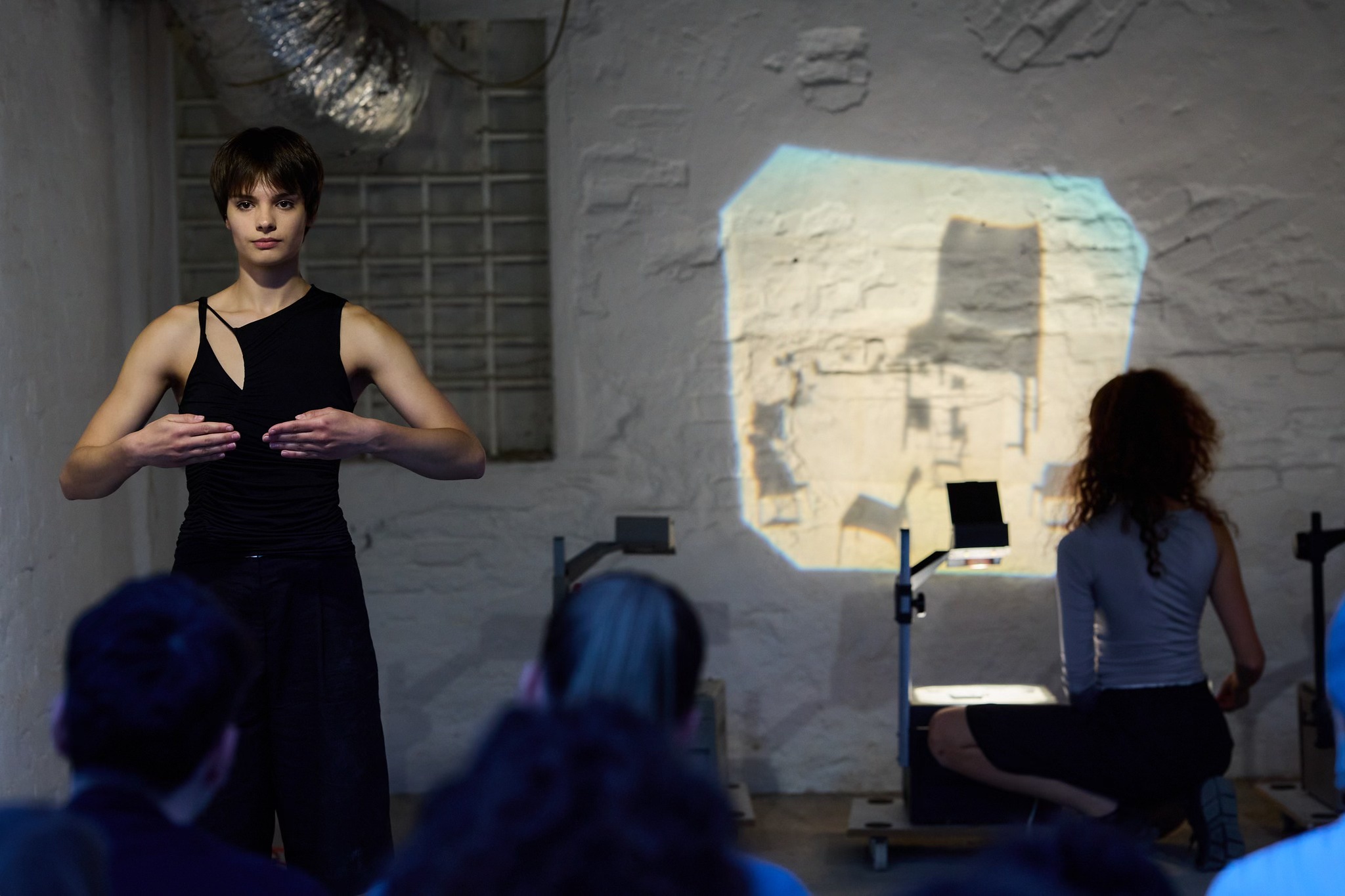
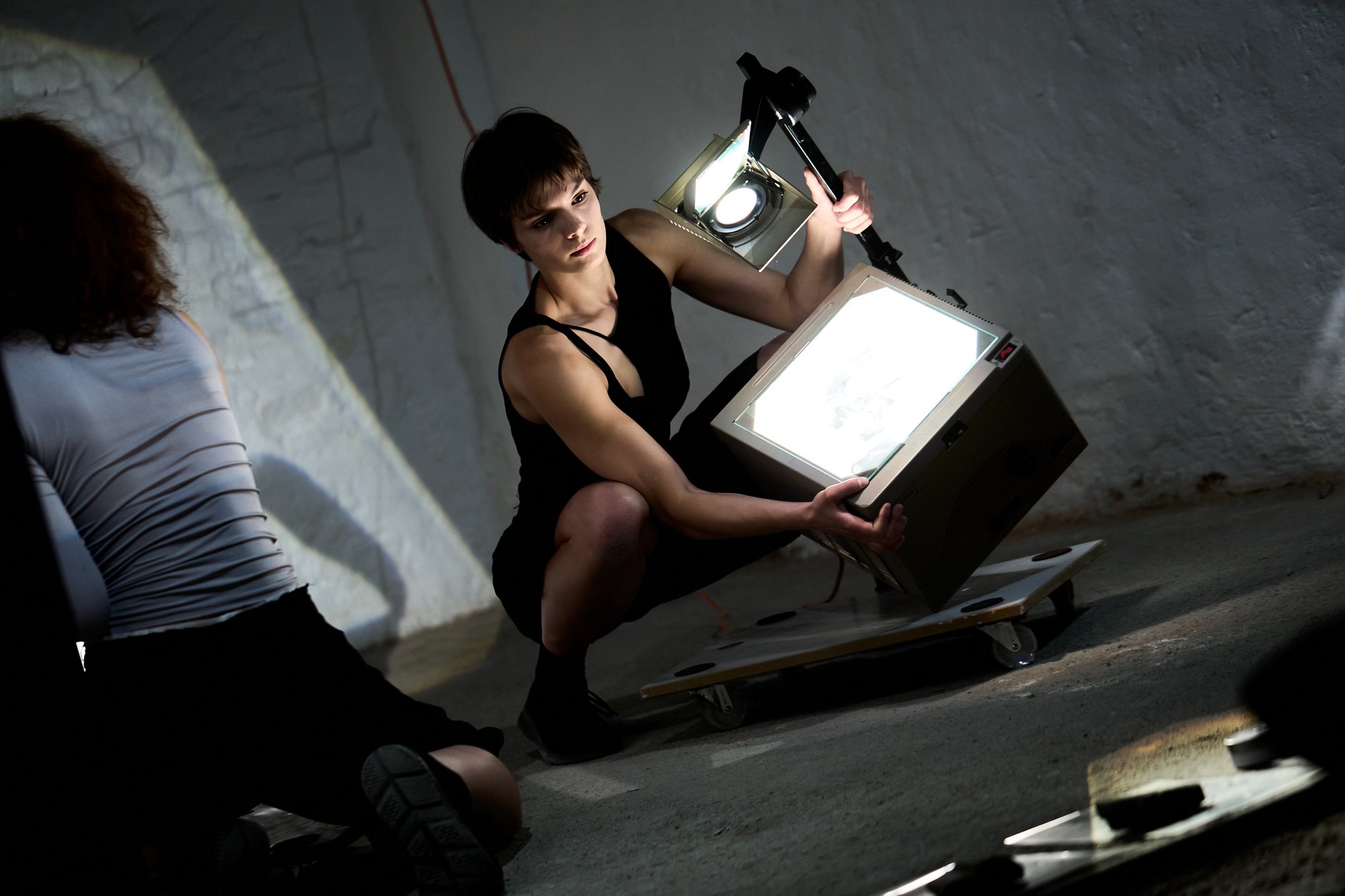
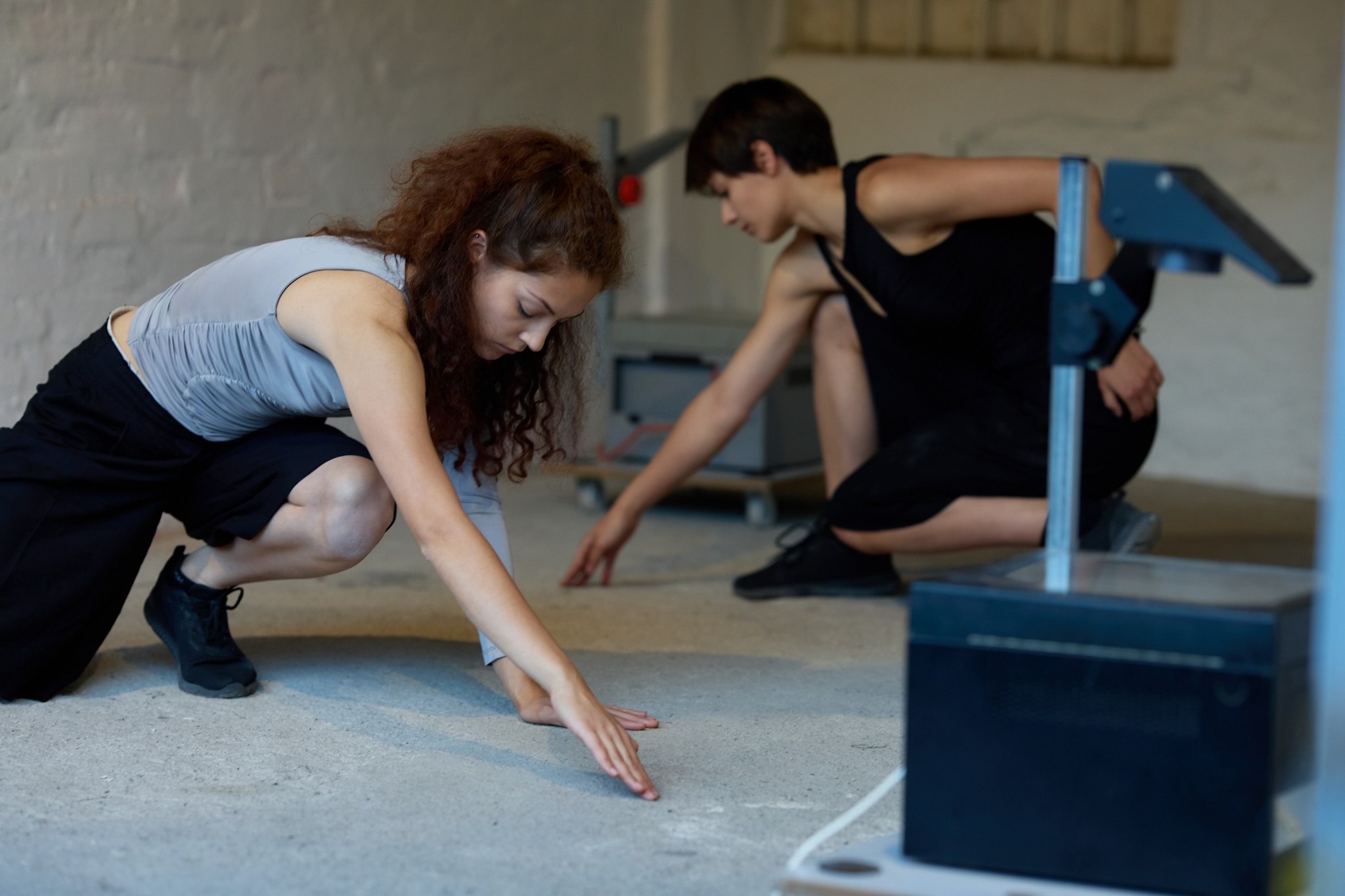
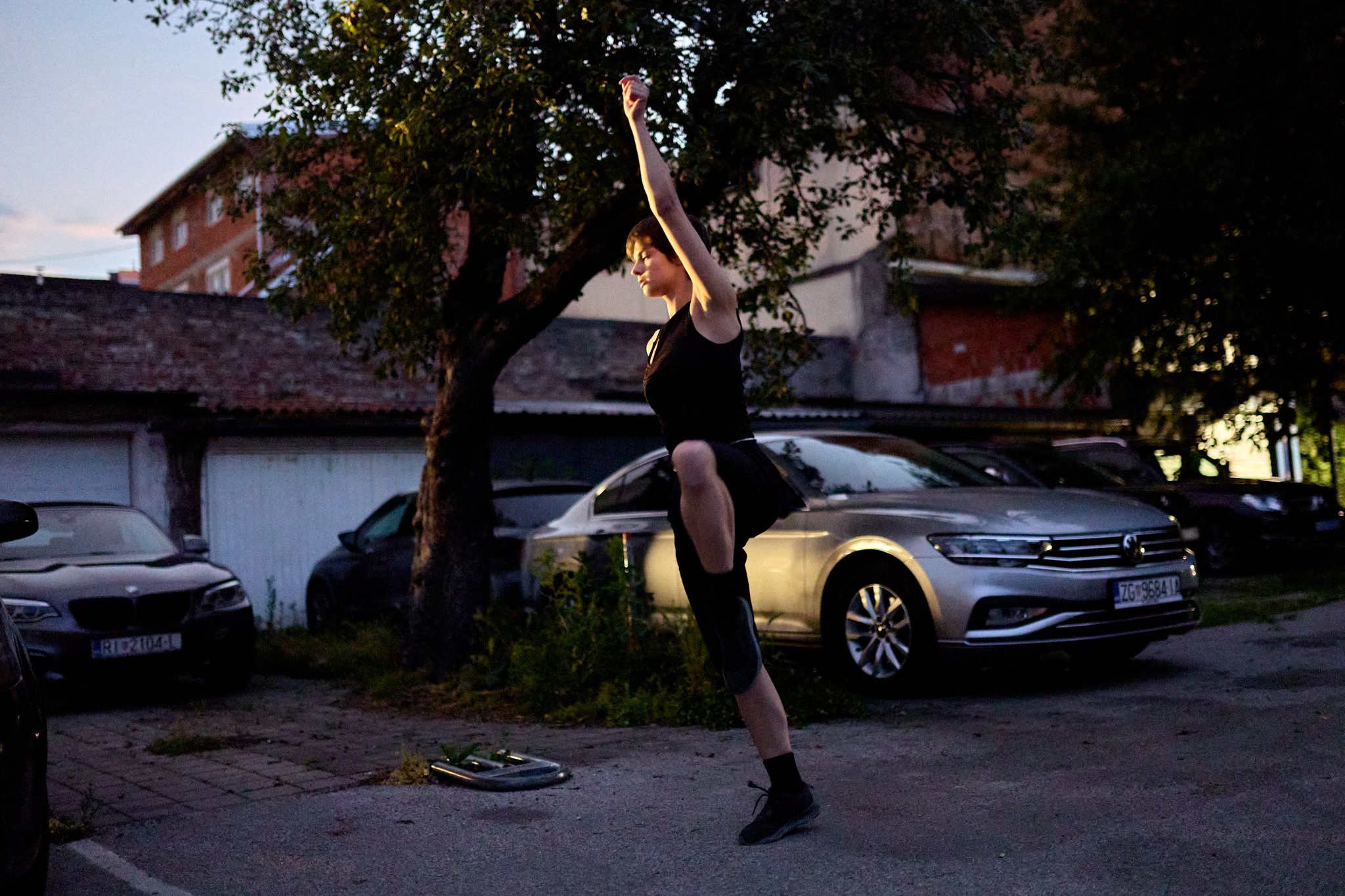
Movement is a body in space. A relation in space. The observer follows the motions, gestures, action, change, sometimes voice, often music. They seek communication, dynamics, some form of shift, structure, sequence, or fragments of images, thoughts, emotions. Movement is a language. By removing it from its usual environment, its stability is disrupted—does the performance live in the bodies of the dancers, the eyes of the observer, or the specific place where it unfolds? Is a dance performance a singular event, its recording, something happening within the viewer, or does it live as the energy of the performer? We expect it on the theater stage, the soft floors of dance studios, in occasional interventions in museum settings, and increasingly, on public surfaces, where it captures the attention of accidental passersby.
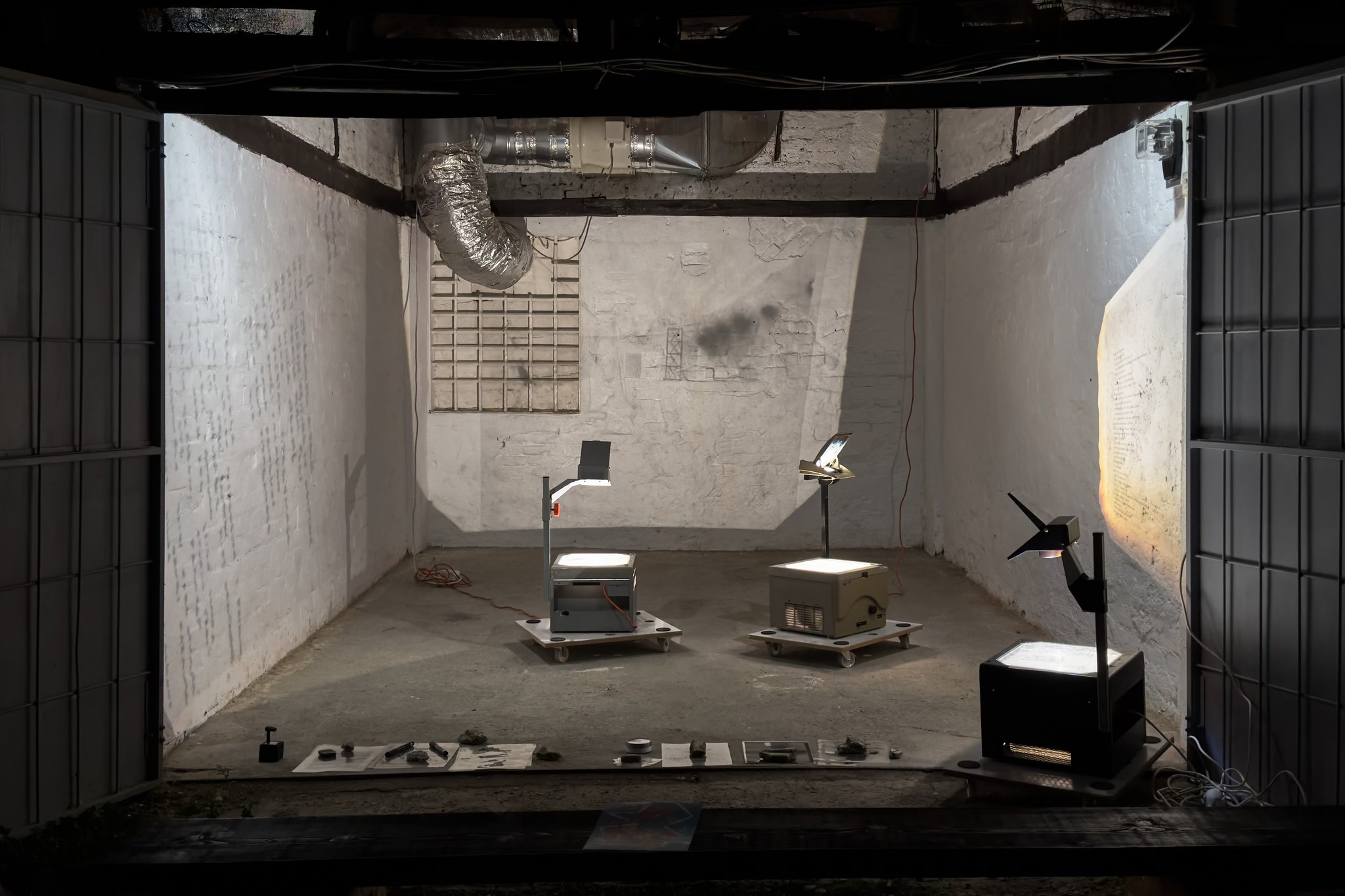
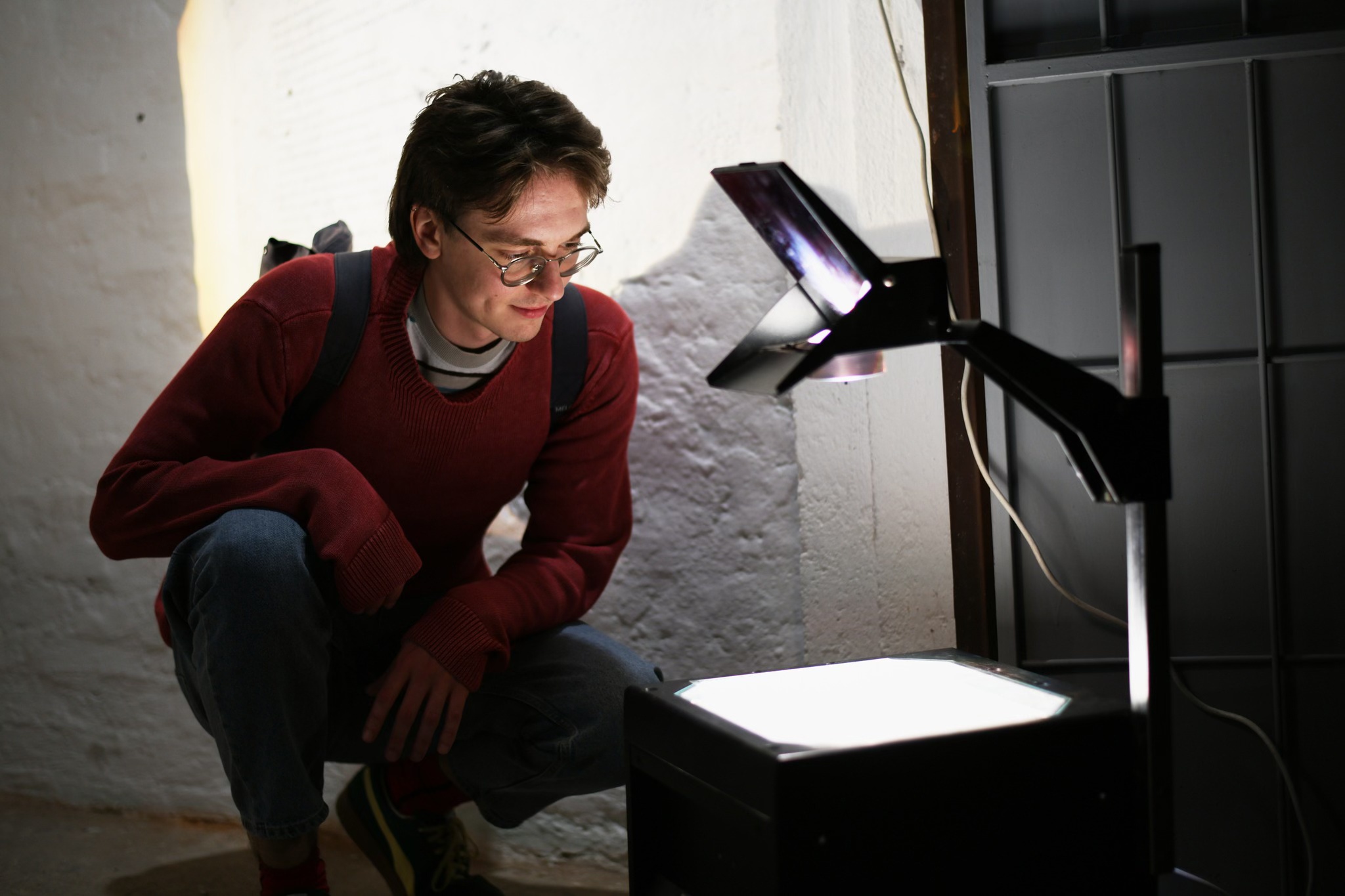
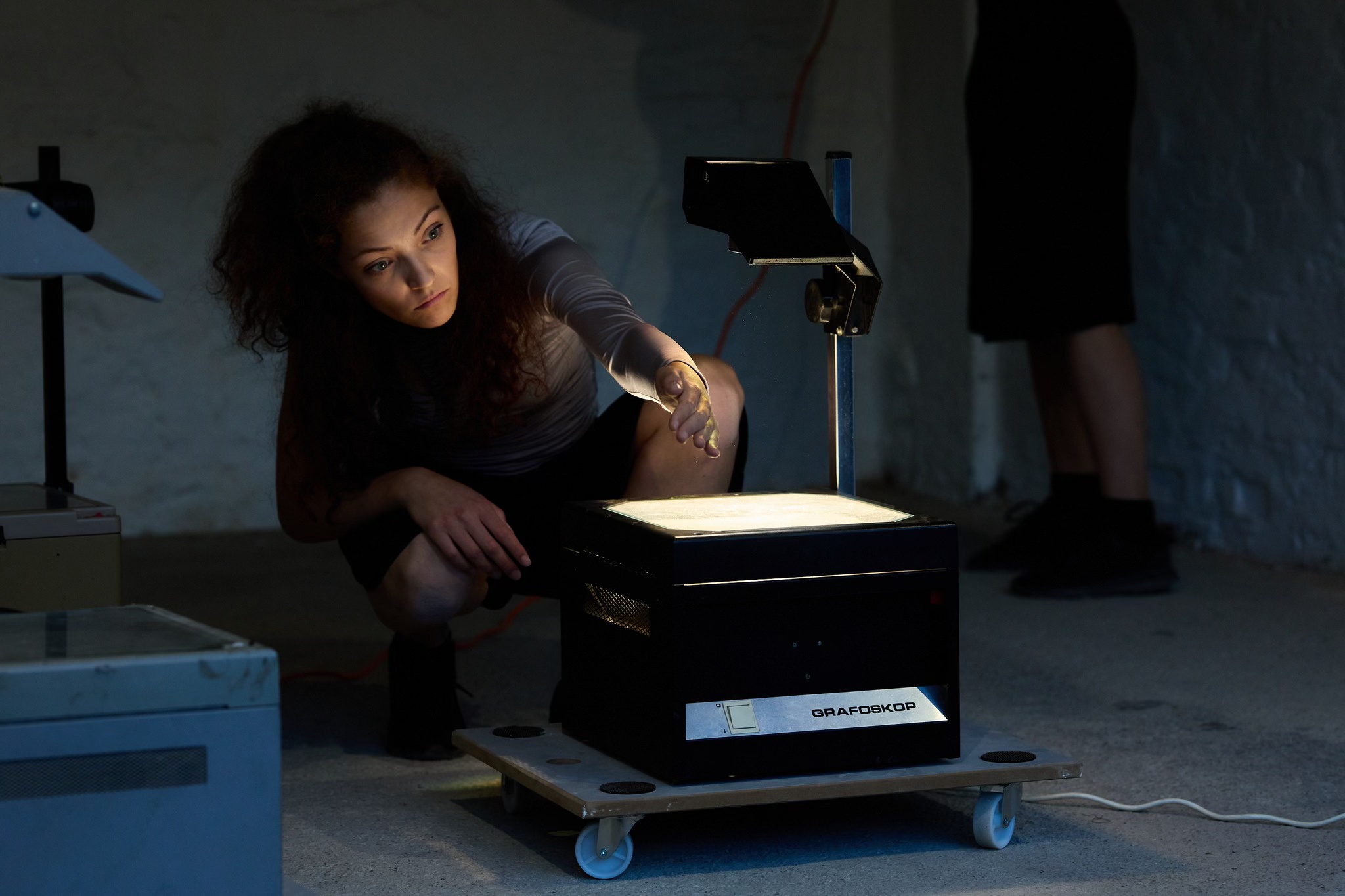
But what happens when a garage—a storage space for vehicles and various other objects, simultaneously laden with the potential of an exhibition interior—adds a third function to its dual purpose and becomes a place for exploring the relationship between dancer, performance, space, and audience, not necessarily in that order? What do we see then, and do we seek ‘exhibit-ness’ in the performance or performativity in the exhibition? Once set up, an exhibition in an ‘alternative’ setting inherently offers the possibility of interpreting works and the context in which they are presented differently. We ‘archive’ it through our visit, the time spent in the interior prepared for our presence, and the impression it leaves on us. A photograph or video never documents the ‘objective’ state—in a way, they are residues of the videographer’s gaze. How can a dance composition avoid being perceived as a staged scene for ‘entering’ a story, and instead activate the viewer, make them aware of their position, prompt them to question, to realize that what unfolds before their eyes is not a two-dimensional image in motion, but a living frame whose flatness is replaced by the flow of time in a shared space—an elusive trace where something always remains hidden—a gesture peculiar and challenging for archival preservation?






IMPRESSUM
Artists: Dora Pocedić and Linda Tarnovski
Text: Ivana Završki
Photography: Šimun Bućan
Support: “Kultura nova” Foundation, Ministry of Culture and Media of the Republic of Croatia, City of Zagreb
Production: Udruga profesionalnih plesnih umjetnika PULS and Prirodno – umjetnički kružok, with the support of PLATFORMA HR 2024 (TALA Ple(j)s) i Pogonator 2024 (Pogon – Zagrebački centar za nezavisnu kulturu i mlade)
Sponsor: Medvedgrad Brewery
Biography
Dora Pocedić i Linda Tarnovski su dvije plesne umjetnice bazirane u Zagrebu. Nakon obrazovanja u Školi suvremenog plesa Ane Maletić i diplome na Akademiji dramskih umjetnosti u Zagrebu, zajedno odlaze u Švedsku na stručnu praksu u Vitlycke CPA pod mentorstvom Francesca Scavette. Od tada, Dora i Linda osnivaju svoju Umjetničku organizaciju CO-MMENT te nastavljaju suradnju i istraživanje zajedničkih interesa što je rezultiralo dvaju rada, “Tango” i “…, a još su manji izlazi” te trenutno su u procesu novog rada “Co-lažiranje”. Pored autorskih radova, vrlo su aktivne na sceni kao izvođačice te su imale prilike surađivati s brojnim domaćim i stranim umjetnicima.
Glossary









 Garaža Kamba