
Markgraf – Rüdiger Piano
“I took the plant whose leaves activate sound off the piano while Sarah wasn’t looking. The light sensor is there so you can bring someone along. It could have done without it.”
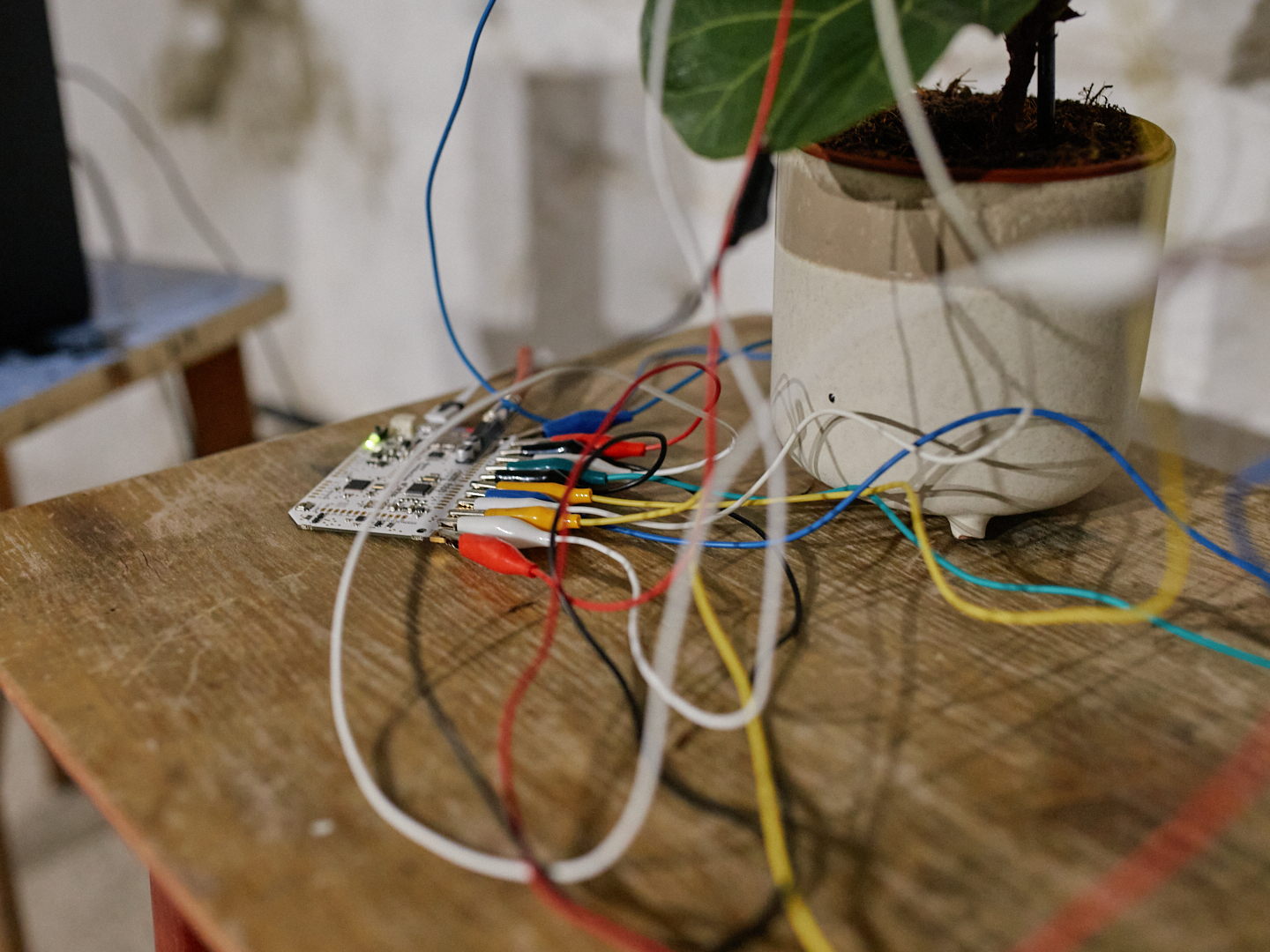
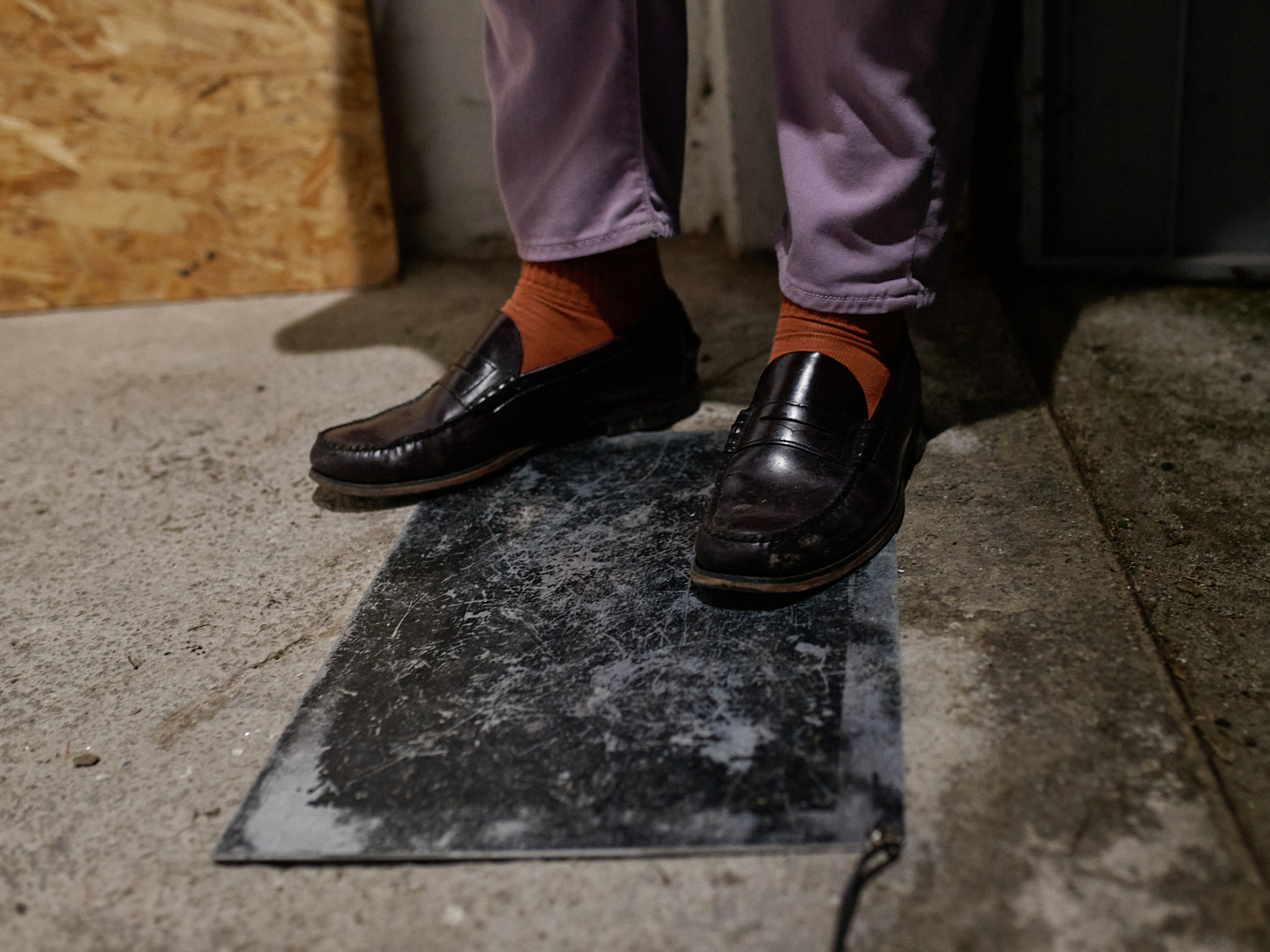
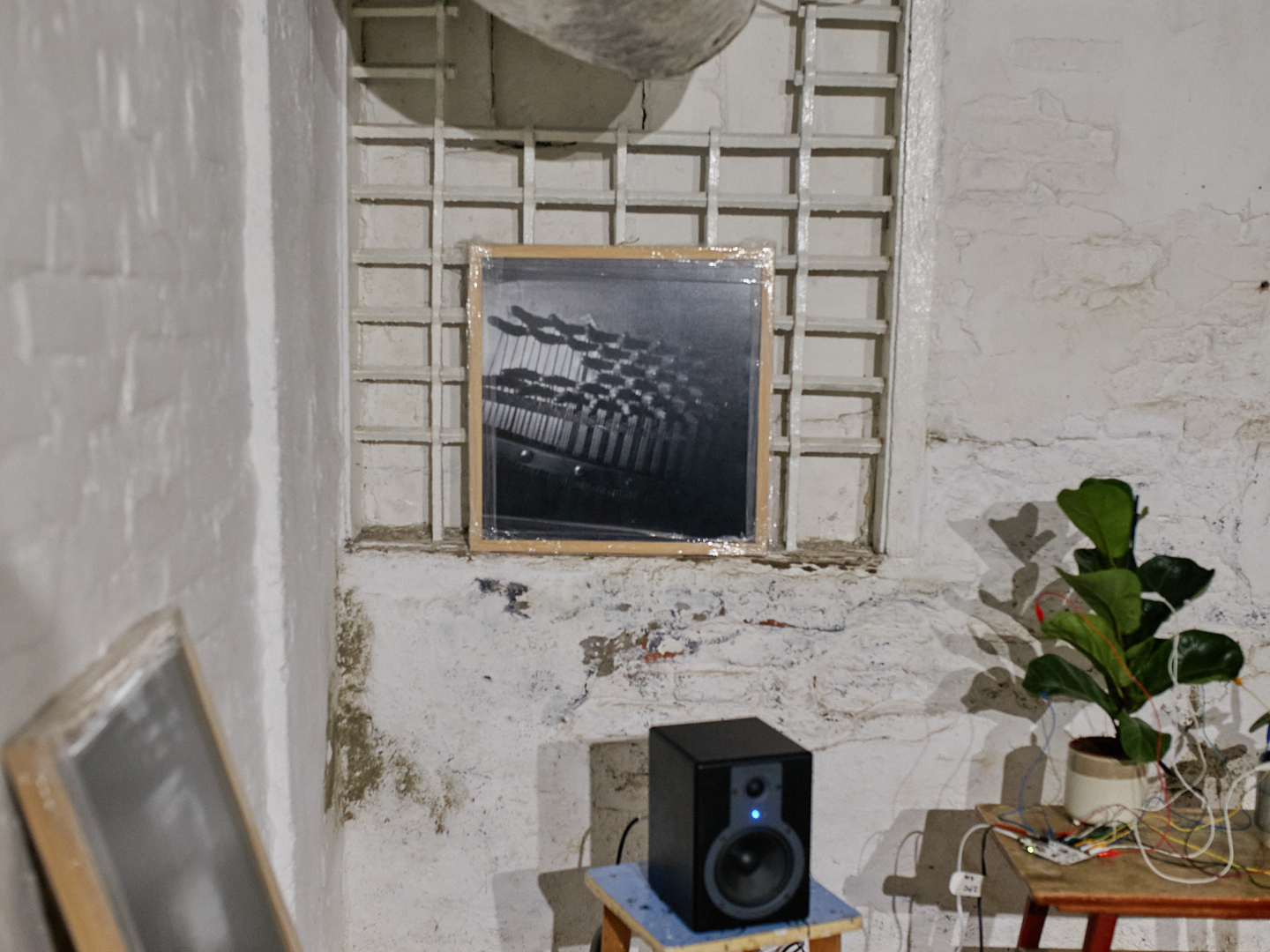
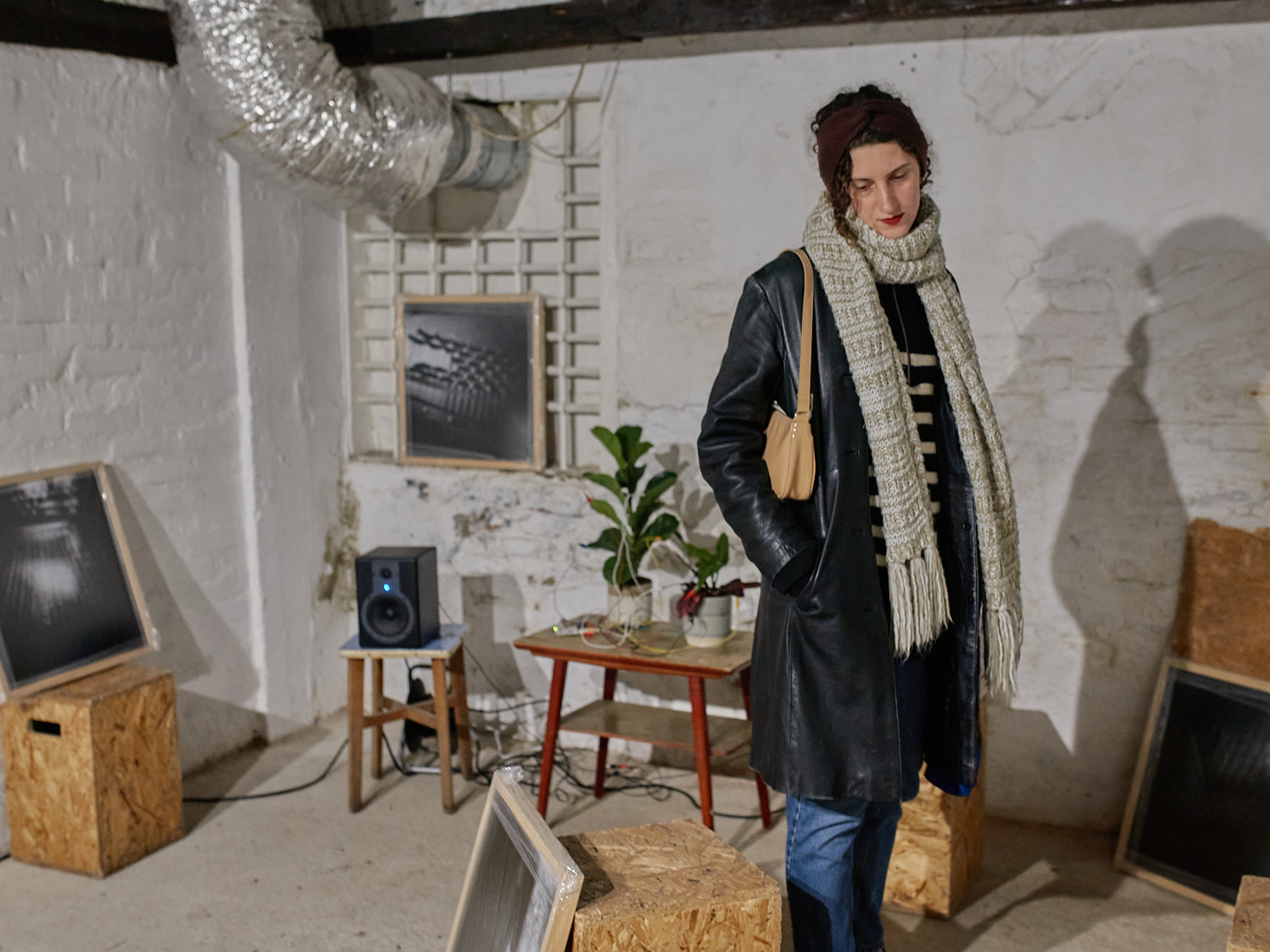
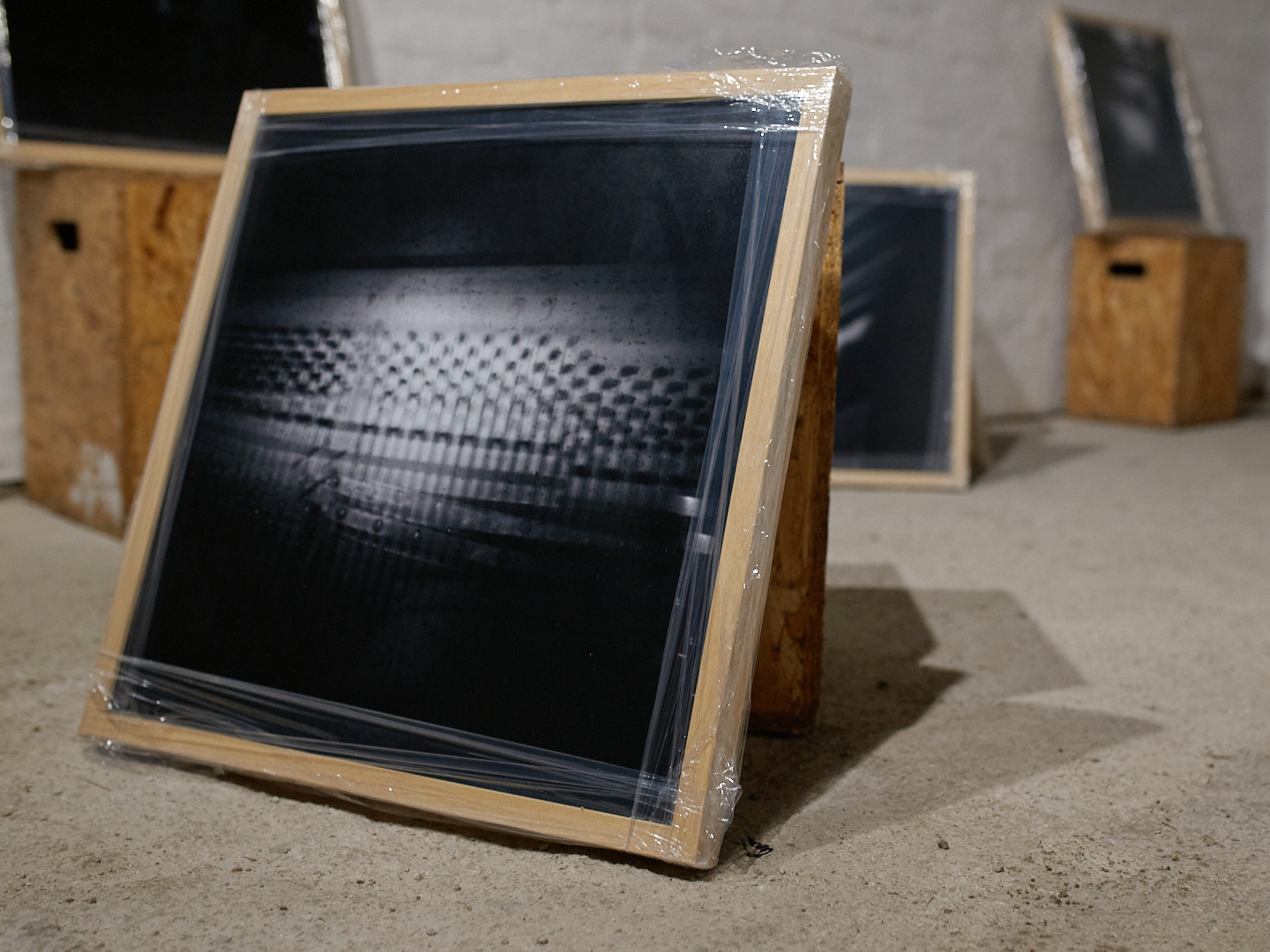
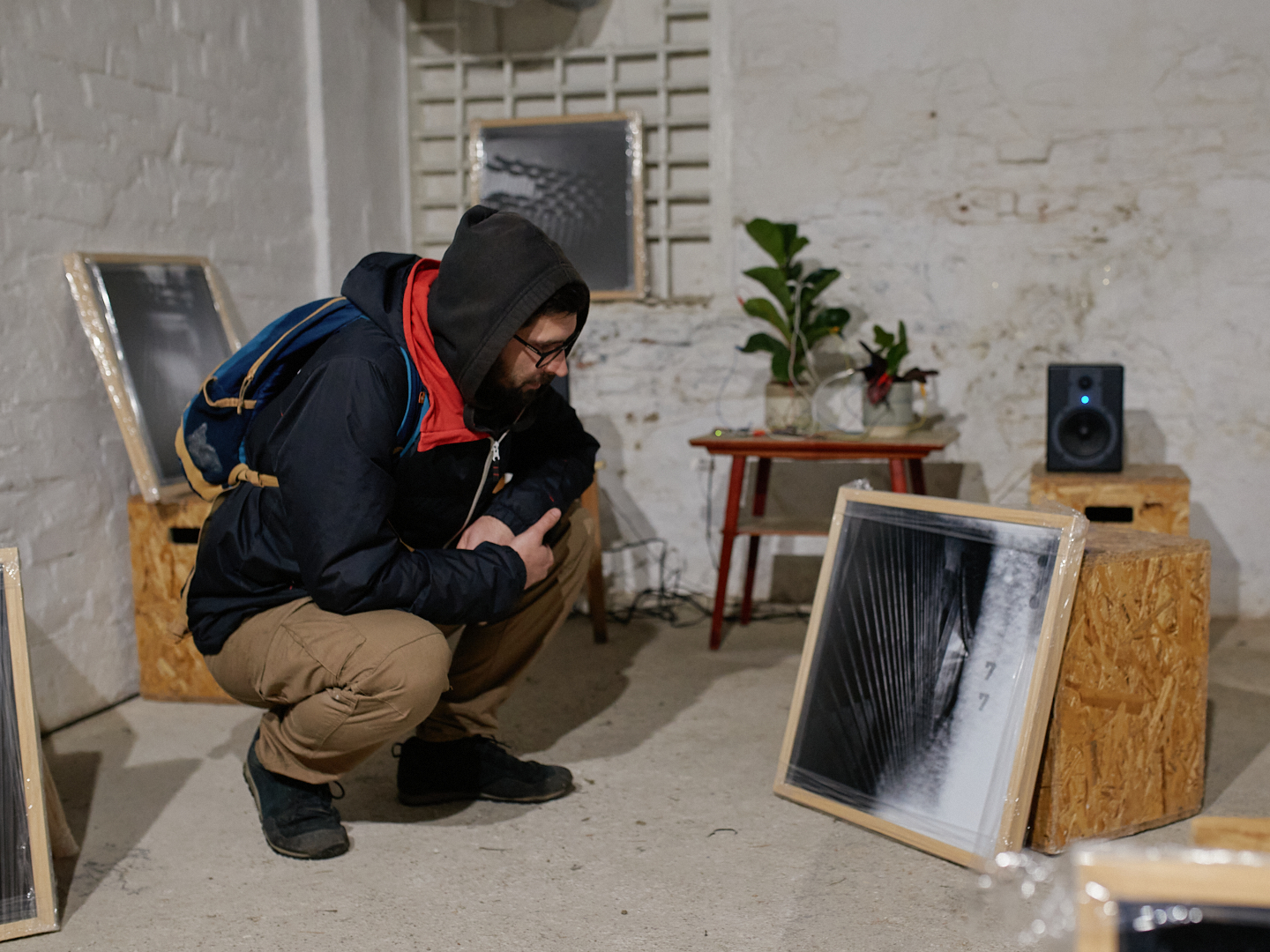
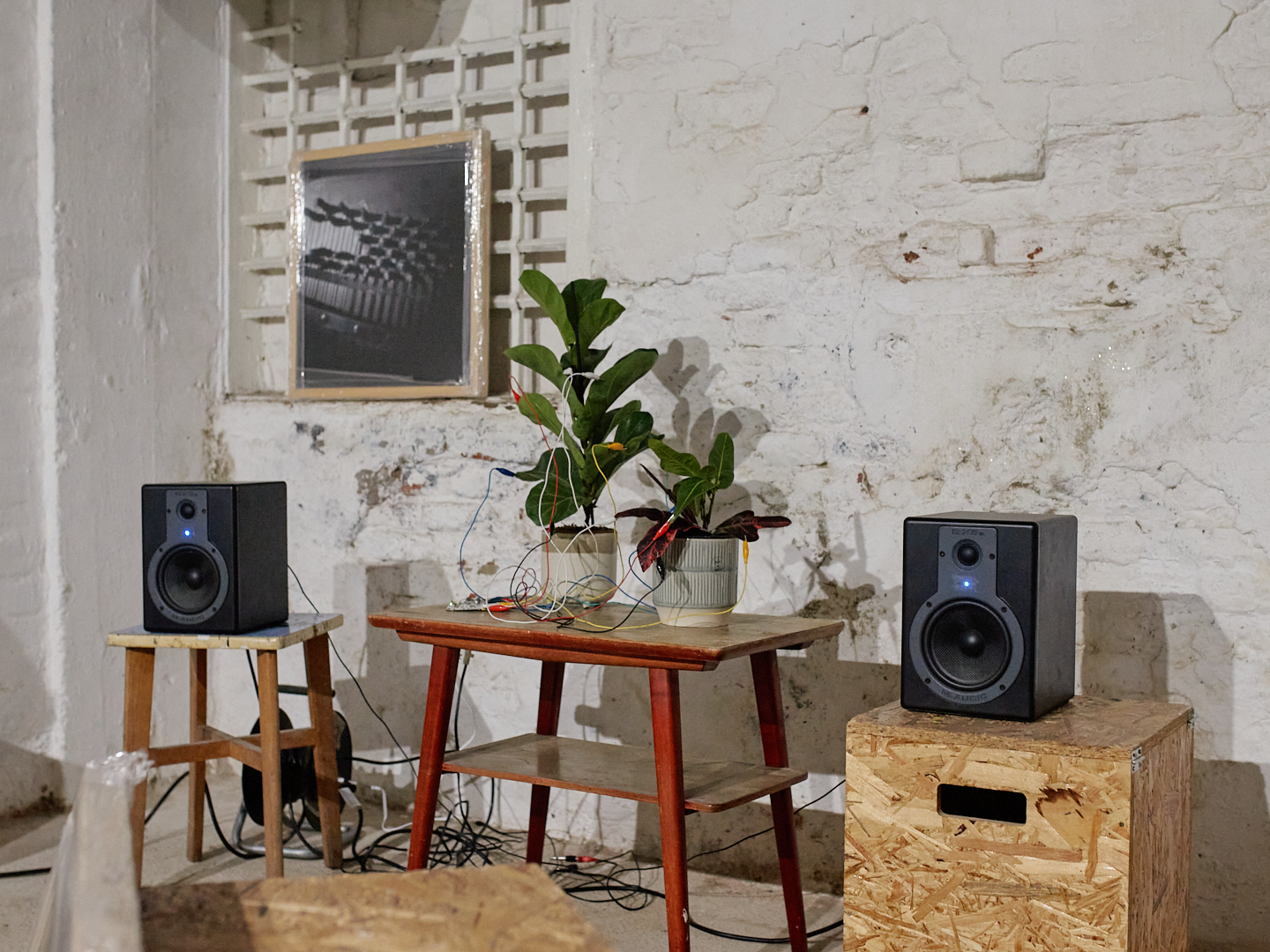
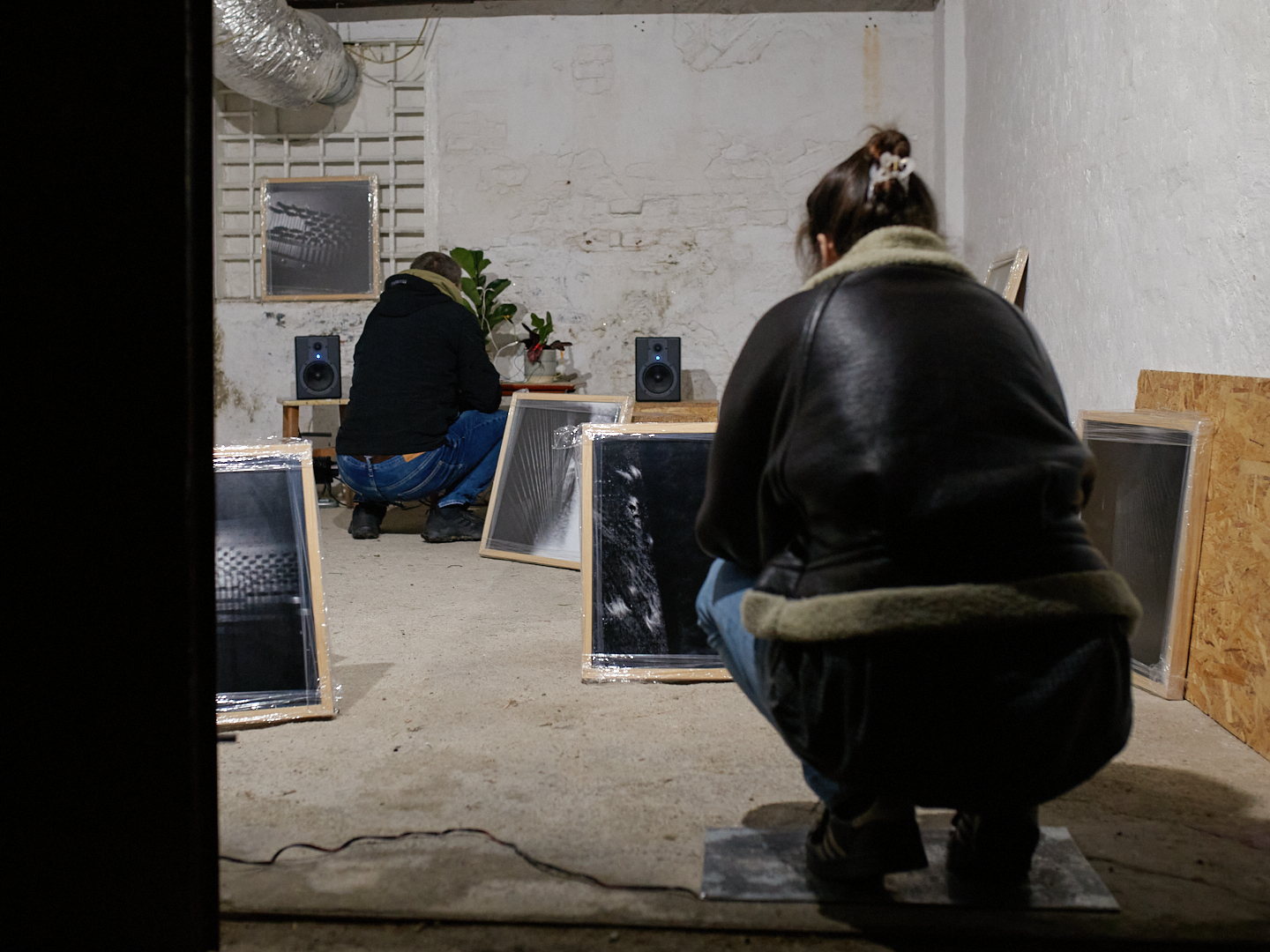
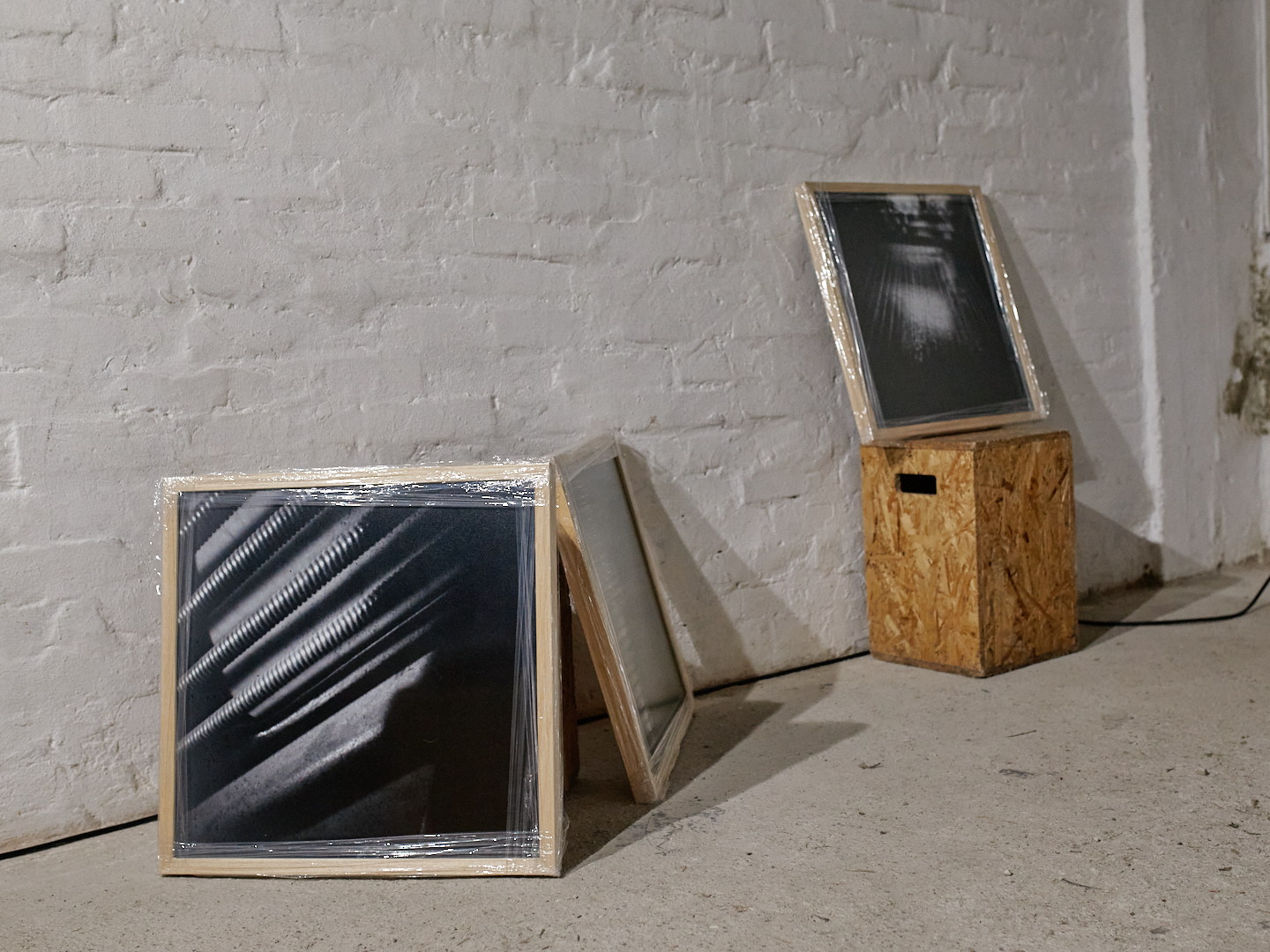
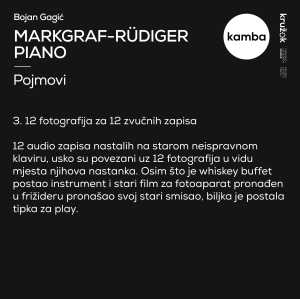
An interactive sound installation for two visitors consists of the manipulation of twelve audio recordings from an abandoned piano on Markgraf-Rüdiger Street in Vienna, using the software: Grainscape, Ribbs, Petri, Sapling, Usine. The recordings are activated by touching the plant’s leaves. Twelve photographs of the piano’s interior were taken with a pinhole cardboard camera using worn-out Potsdam black-and-white film. The duration of each exposure corresponds to the length of a specific sound recording. To view/listen to the installation, you need to bring someone with you who will stand on the sensor that triggers the light.
…
Sarah decided to play the piano. At a flea market, she bought a cheap but beautiful upright piano. After she and her friends transported it to the Markgraf-Rüdiger location, she realized that some essential parts were missing and that the piano was unusable. A few days later, she turned it into a whiskey buffet. A beautiful piece of furniture in the living room.
I don’t like whiskey, and I’m not particularly fond of furniture either. The first time I came to her apartment, I liked that piano because it sat awkwardly at the end of the room, seemingly obsessed with half-empty bottles, leaping cats, a broken record player amplifier, and the occasional plant. While Sarah was out, I recorded the sounds of tapping, hitting, strings tightening, and scratching inside that worn-out sound buffet box. Later, those recordings were modulated with the intention of creating usable sound structures from what seemed like a lifeless, unusable object. The result is what you’re hearing now. I took the plant whose leaves activate sound off the piano while Sarah wasn’t looking. The light sensor is there so you can bring someone along. It could have done without it.
Gallery


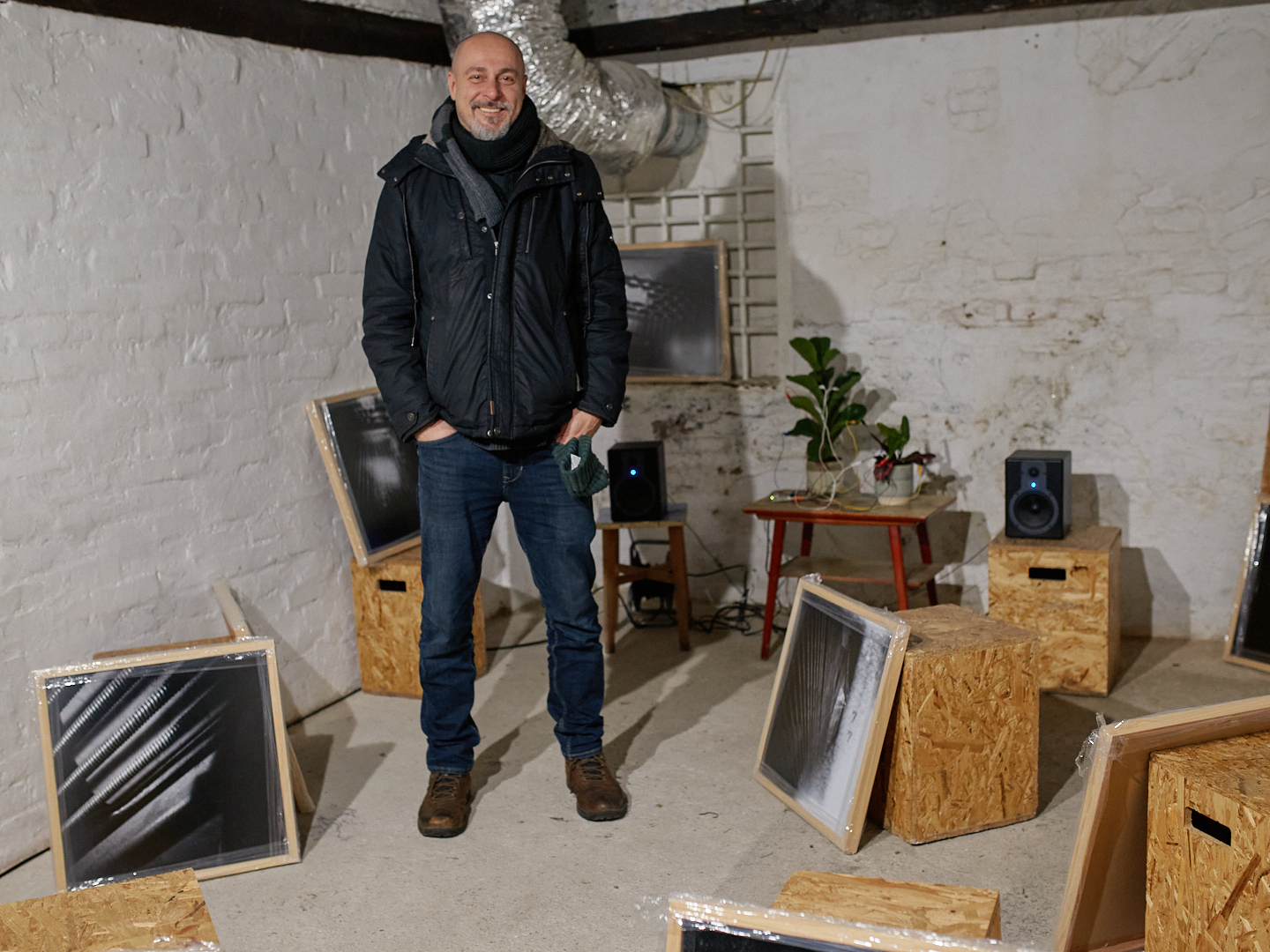


IMPRESSUM
Artist: Bojan Gagić
Text: Bojan Gagić
Photography: Juraj Vuglač
Support: “Kultura nova” Foundation, Ministry of Culture and Media of the Republic of Croatia, City of Zagreb
Sponsor: Medvedgrad Brewery
Realization of the exhibition is financially supported by the Ministry of Culture and Media of Republic of Croatia.
Biography
Bojan Gagić began his artistic career in the late 1980s with performances and actions mainly related to the Sarajevo-based group Neue Urform and the Zagreb-based artistic groups Kokowa, Rotor, and Clair Obscure. In the late 1990s, through the MAPA platform (Moving Academy for Performing Arts), he started working on various theater projects, participating in the production of plays, creating multimedia content, and designing sound and lighting. He also collaborated with artist Josip Zanki on several projects that explore the relationship with death. He is the author of numerous exhibitions, installations, and performances in Croatia and abroad. He systematically works in sound art and field recording, publishes poetic writings in literary magazines, and provides technical realization for theater, film, and music festivals. He has composed music for short experimental and animated films, mostly by domestic authors, and designed lighting and sound for theatrical performances. He has also recorded several short experimental films. Along with Miodrag Gladović, he developed the performance technique of luminoacoustics—the conversion of light into sound using the photovoltaic effect of solar panels. He is a co-founder of the Zagreb platform for new sound expressions, Sinelinea.
His artistic work has been awarded multiple times, including third prize at the international competition for musical inventors (Guthman New Musical Competition, Georgia Tech University, Atlanta, USA, 2012), second prize for multimedia content of the Croatian EXPO pavilion (2012), the audience award at the Croatian contemporary art competition – T-HT@msu.hr (2014), and a special recognition from the expert jury at the Venice Biennale (lighting and sound design for the installation by architect Ana Dana Beroš, 2015).
Glossary





 Garaža Kamba