
Toni Mijač: Shame, shame, shame

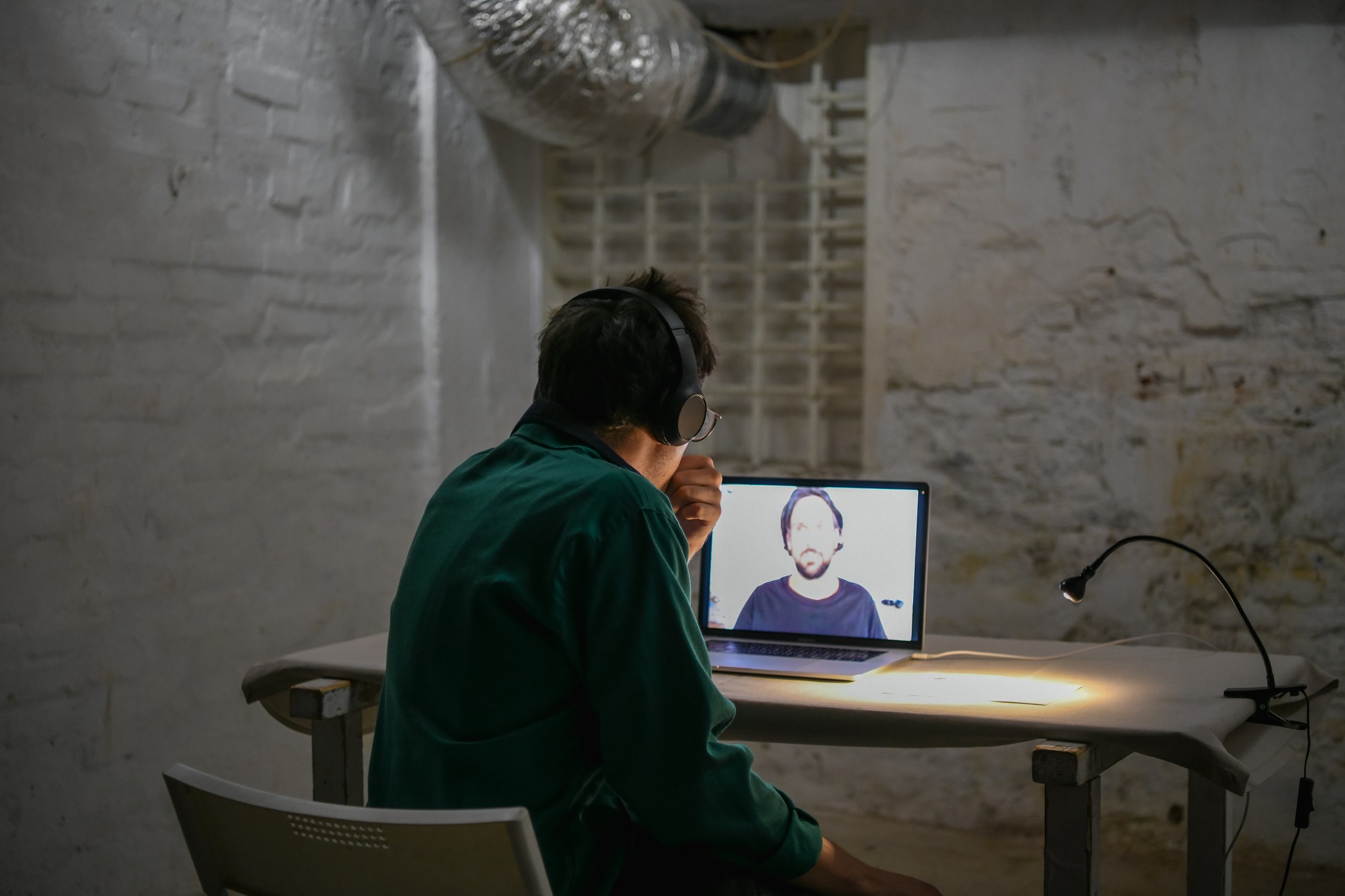
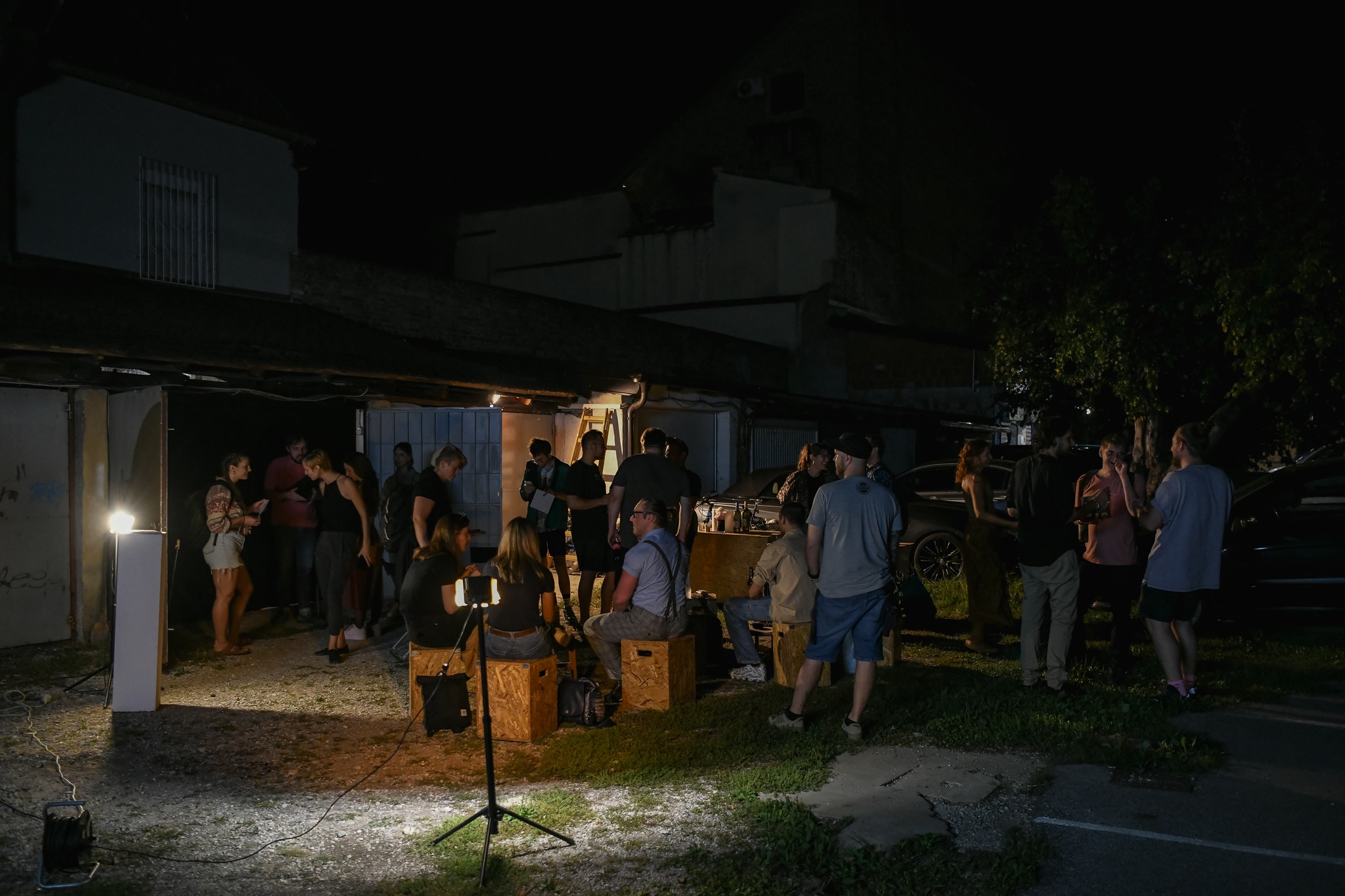
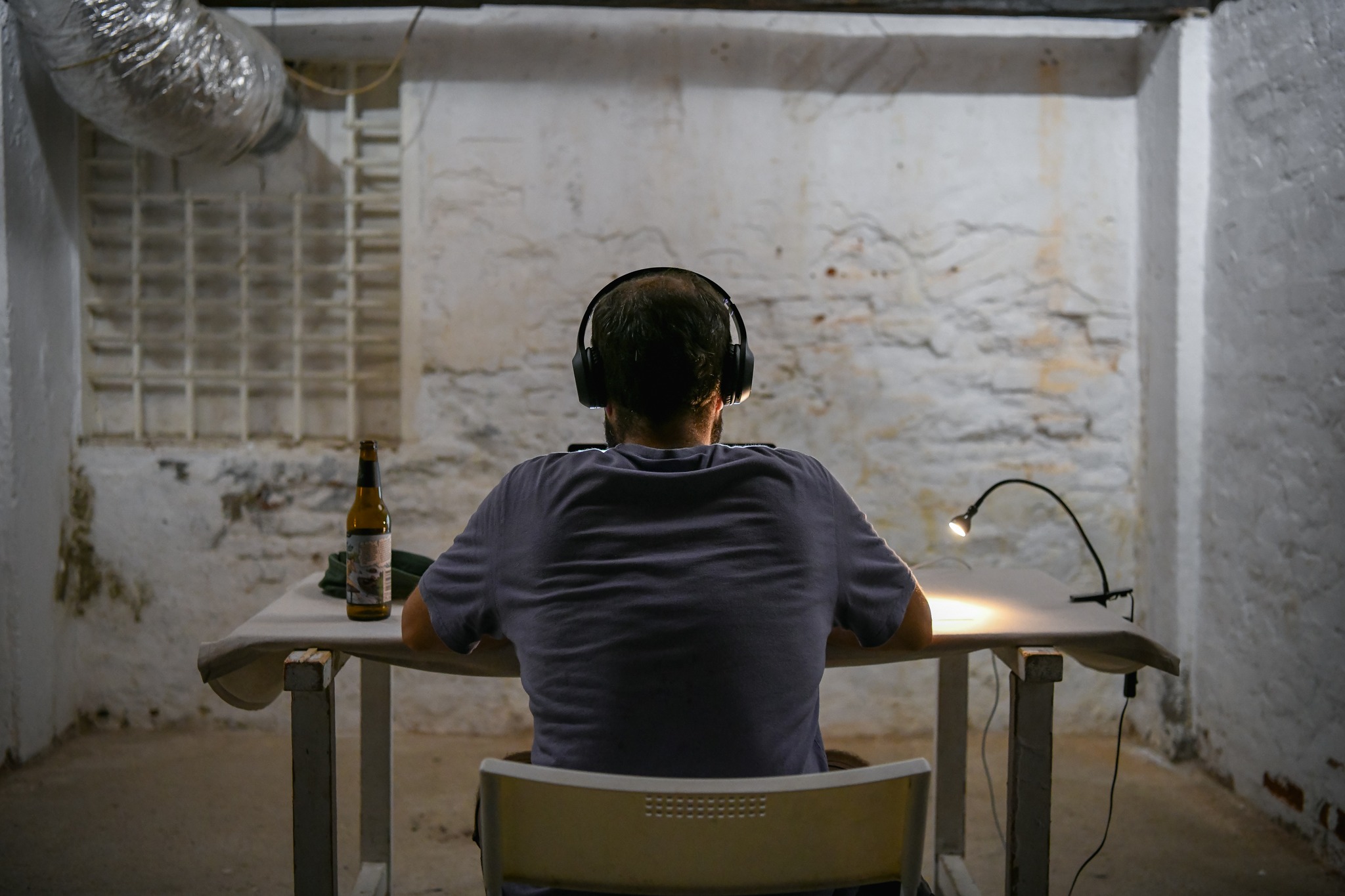
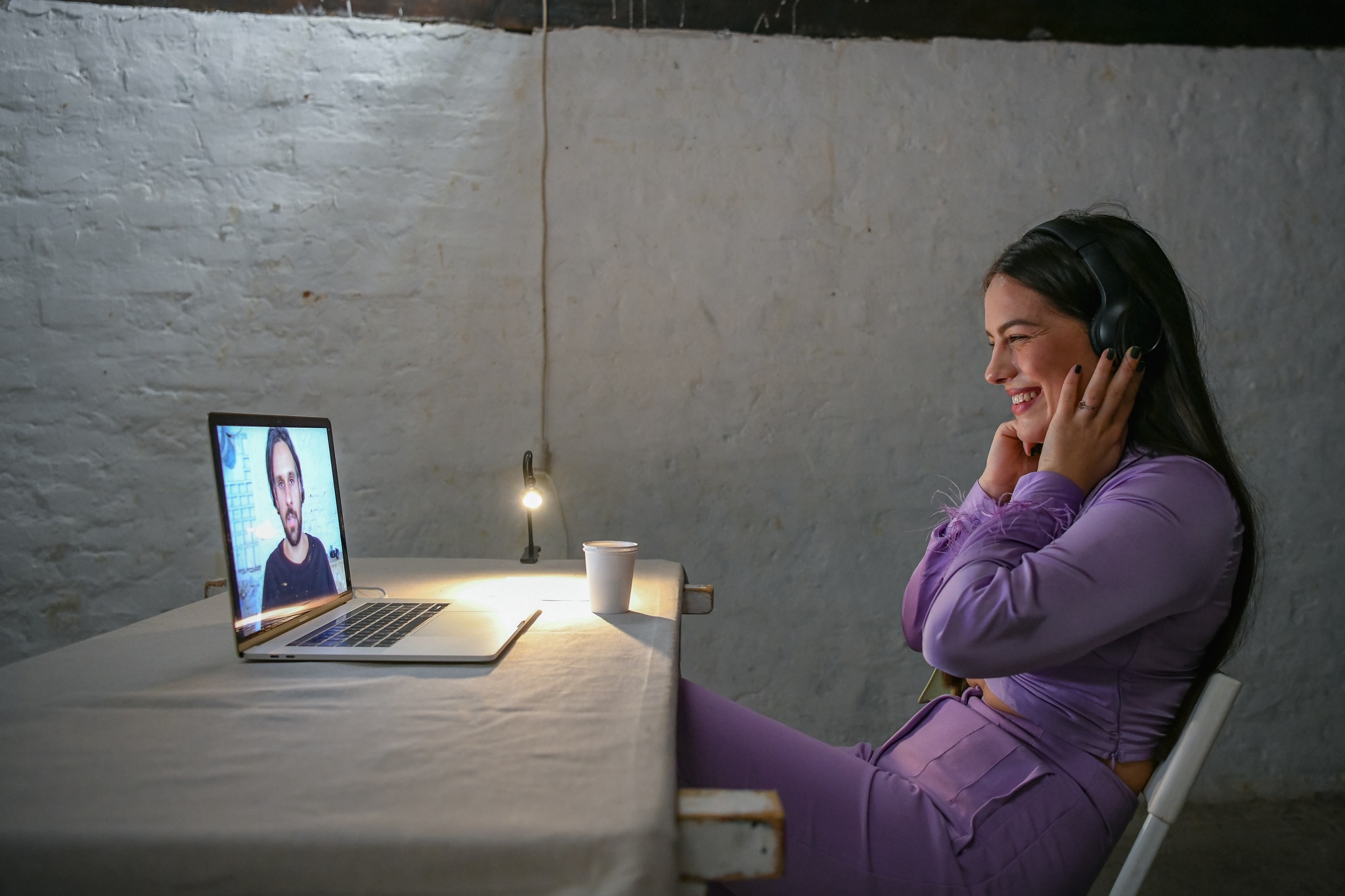
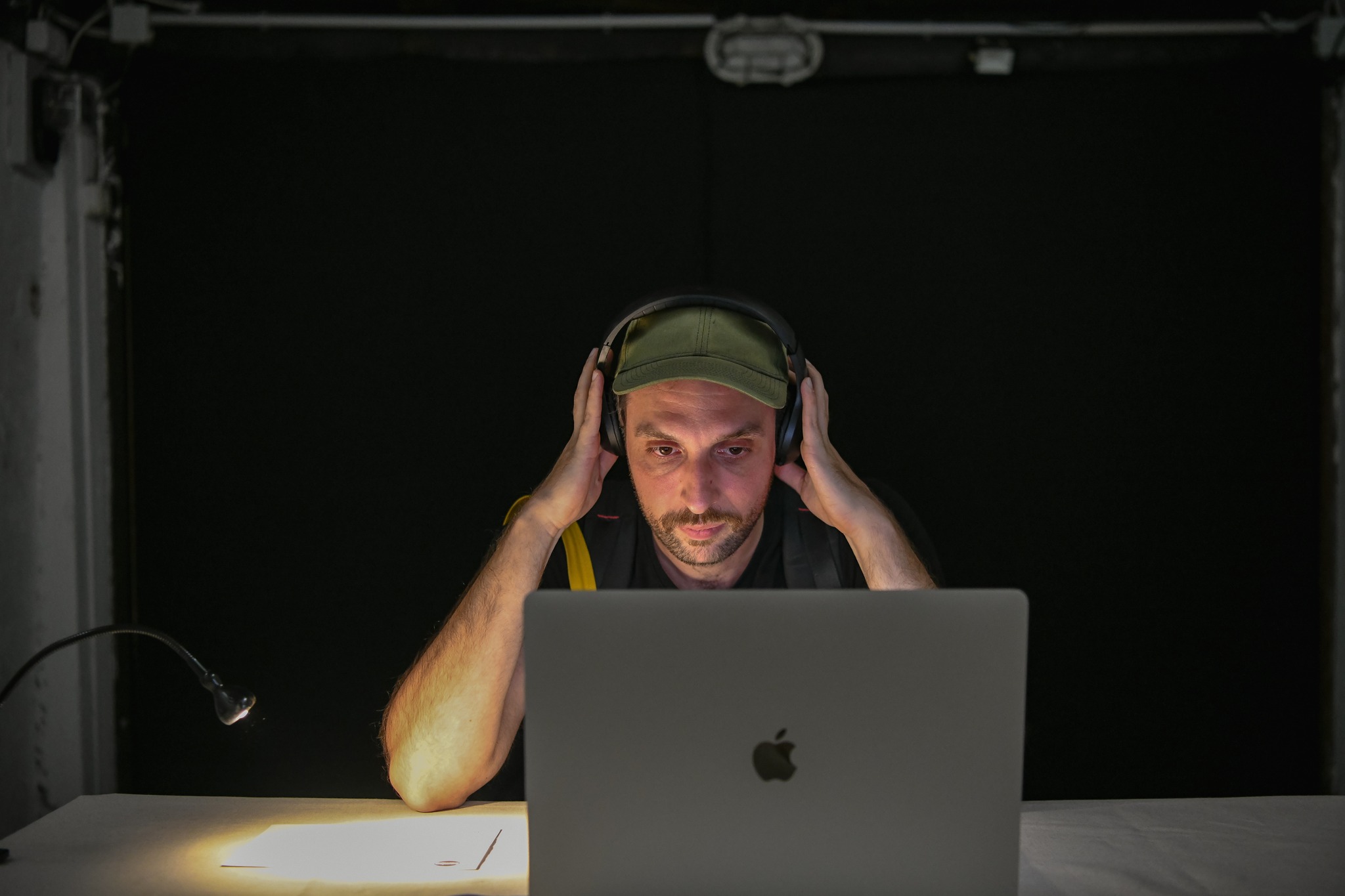
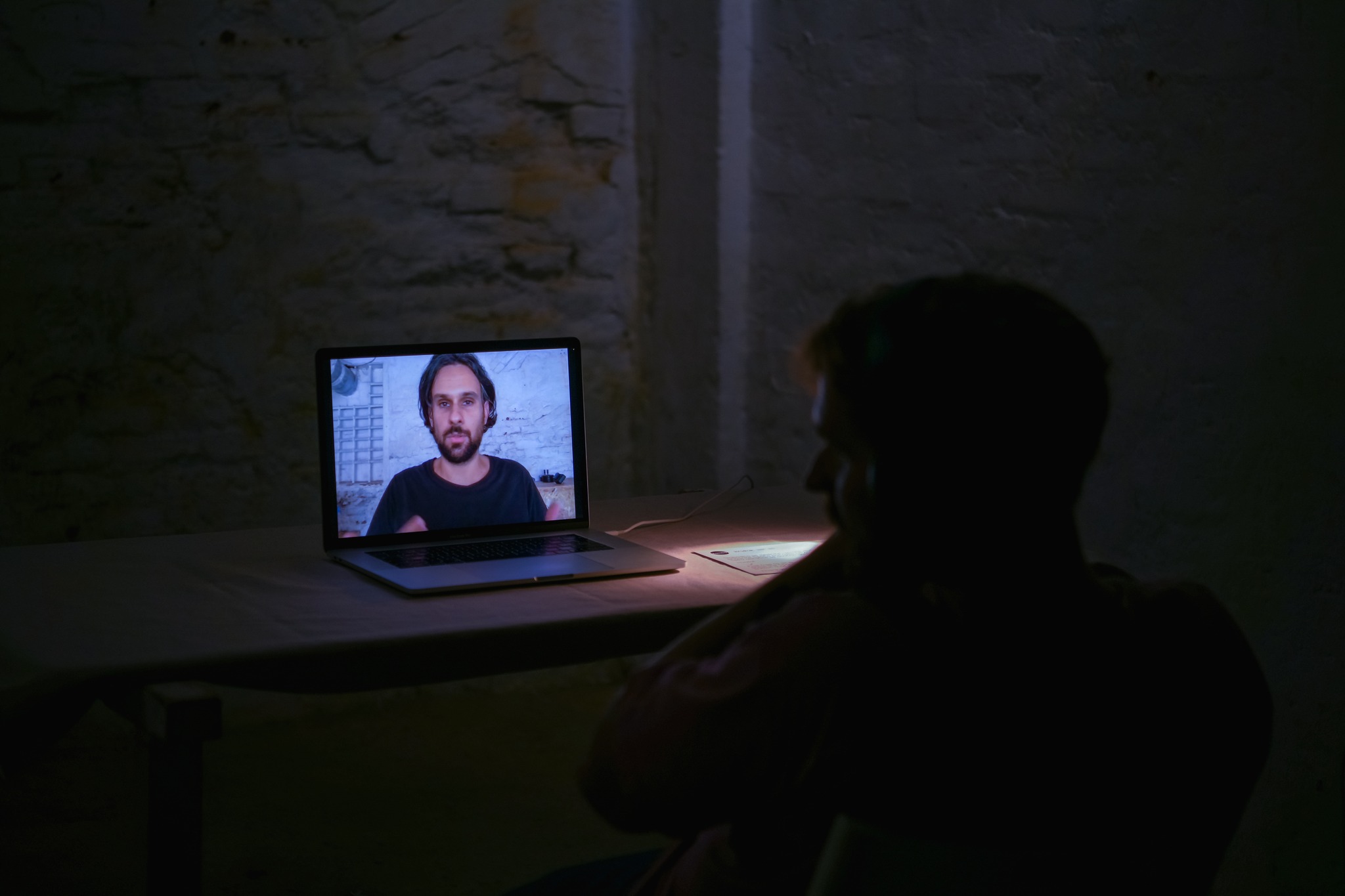
With the intermedia work “Shame, Shame, Shame”, Toni Mijač guides the audience through different levels and perspectives of understanding the feeling of shame intrapsychologically and interpsychologically. At the same time, the work mirrors the role of the media and people as media subjects who deliberately perpetuate patterns of behavior that cause feelings of shame, embarrassment or Schadenfreude. It is about a kind of research, about observing from the inside, from the outside, and finally at the entirety of the cultural constructs in which we live.
Introduction
In his work “Being and Nothingness”, Jean-Paul Sartre asks his readers to imagine how, driven by curiosity, jealousy or whim, they observe through the keyhole what is happening on the other side. Completely immersed in the events in the other room, the viewer gradually ceases to be aware of himself, his movements and the rhythm of breathing. However, the sound of approaching footsteps is heard. The perception of the observer changes rapidly and is focused on themselves – that is, on the way someone else observes them.
Although Sartre is occupied with other topics in this work, this event paves the way for the study of another phenomenon. The moment the viewer is “exposed” as a voyeur or peeping Tom, a feeling of shame appears. It is a feeling that is often described as an unpleasant feeling caused by one’s own mistake or as an emotion that is a consequence of failure to live up to the expectations of the person himself or the society that surrounds him. It is an emotion whose word in the Indo-European family of languages derives its root from the meaning “to be discovered”.
The complexity of the emotion of shame was also proven by neurologists from the Ludwig-Maximilians University in Munich. The experience of shame activates a very high level of activity in the right hemisphere of the brain, and compared to the close feeling of guilt, it is comparatively more complicated considering that it is the result of widely placed cultural and social factors. Furthermore, physiatrist David R. Hawkins explains in his book “Power vs. Force” that he used kinesiology methods to measure the body’s reactions to the emotional fields of consciousness. With this, he established a hierarchy, the degrees of vibration of human consciousness and concluded that shame is the lowest level of vibration of consciousness that causes inertia and thus silences us.
Shame takes place intrapsychologically, within individuals, but also interpsychologically as a social and cultural phenomenon. It is such an immersive emotion that just observing the experience of it can cause a feeling of shame in an individual that stems from a strong sense of empathy. However, on the other side is the feeling of satisfaction experienced by the observer of the embarrassed person, a term known as Schadenfreude.
From a broader, civilizational perspective, shame was also viewed as an evolutionary significant feeling that influenced the role of the individual in societies, be it hunters and gatherers or a modern community based on mutual trust. Through the feeling of shame, the individual participates in the symbolic system of a certain culture, customs and traditions that he has violated by his behavior and with which he remains publicly confronted. In order to avoid the feeling of shame and maintain a sense of belonging, the individual avoids further repetition of the behavior that caused the feeling of shame, and the witnesses of the event follow the same example.
With the intermedia work “Shame, Shame, Shame”, Toni Mijač guides the audience through different levels and perspectives of understanding the feeling of shame intrapsychologically and interpsychologically. At the same time, the work mirrors the role of the media and people as media subjects who deliberately perpetuate patterns of behavior that cause feelings of shame, embarrassment or Schadenfreude. It is about a kind of research, about observing from the inside, from the outside, and finally at the entirety of the cultural constructs in which we live.
Gallery








IMPRESSUM
Artist: Toni Mijač
Text: Maja Flajsig
Photography: Juraj Vuglač
Support: “Kultura nova” Foundation, Ministry of Culture and Media of the Republic of Croatia, City of Zagreb
Sponsor: Medvedgrad Brewery
Realization of the exhibition is financially supported by the Ministry of Culture and Media of Republic of Croatia.
Production: Natural artistic circle
Biography
Toni Mijač is a film and multimedia artist born in 1988 in Split, Croatia. He gained a bachelor’s degree in Film and Video at the Art Academy in Split and a master’s degree in New Media Art at the Fine Arts Academy in Zagreb. In his work, he predominantly plays with everyday impulses in different areas of human life, routines and tendencies, which he explores using the language and expressive tools of various media forms such as film, video, text, installation, performance, photography and social/community practices. He was the author of 9 solo exhibitions and participated in many group exhibitions; he was awarded couple of times (HT Award i GRISIAyouth, 2018, GRISIAyouth, 2021) and participated in a couple of residential programs.
Glossary









 Garaža Kamba